
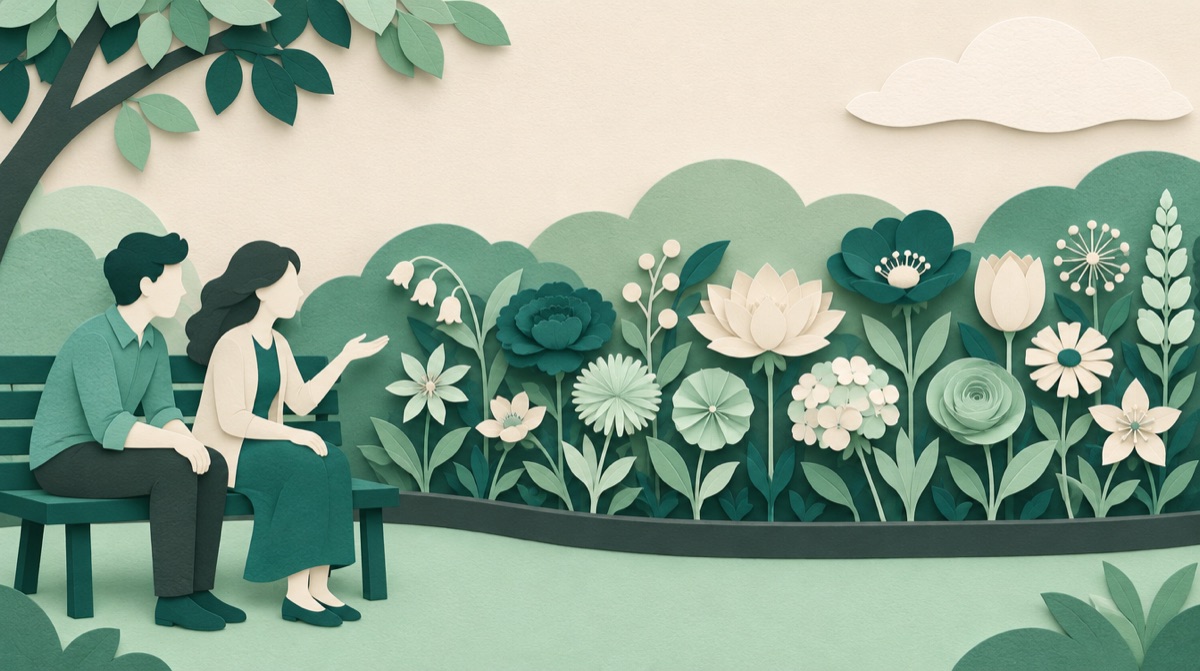
My cousin visited me this weekend, and we started to chat about something that I’ve been thinking about lately – about the rise in disability diagnoses—especially among children. Is it because there are more disorders? Or are we simply more willing to name what past generations brushed off? Sometimes I wonder: Are we labeling kids because they need help, or because we need clarity? Maybe what we call a “disorder” is just a different kind of personality—one that doesn’t fit into traditional systems, but still deserves respect and support.
The Numbers Are Rising—But Why?
There’s no question that disability diagnoses are more common now than they were 30 or 40 years ago. Autism spectrum disorder, ADHD, anxiety, sensory processing issues, and learning disabilities are just some of the conditions being identified at younger ages and in greater numbers. This doesn’t necessarily mean that more people have these differences—it might mean we’re simply getting better at noticing them. Medical advancements, school screenings, and greater public awareness play a huge role in this trend.
But that doesn’t fully explain everything. It could also reflect a cultural shift: in a world that moves quickly and often demands conformity, there’s an urge to name, explain, and fix anything that disrupts the norm. That includes behaviors, emotions, or ways of thinking that used to be chalked up to personality, quirkiness, or immaturity. In the past, a child who couldn’t sit still might have been described as energetic or spirited. A child who struggled with transitions may have been labeled shy or dramatic. Someone who fixated on details or had a deep interest in a niche topic might have been seen as obsessive or eccentric. Today, those same traits are often viewed through a clinical lens. While that can lead to helpful support, it can also narrow the way we understand human difference—treating what once was part of the personality spectrum as pathology.
Labels as Lifelines vs. Labels as Limits
There is no denying that a diagnosis can open doors. In the world of special education, it’s often the key to accessing services, support staff, accommodations, and modifications. For families, it can offer relief, validation, and a roadmap forward.
But labels also come with weight. Once a child is diagnosed, they may be seen more for their condition than their character. Their strengths can be overlooked in favor of their challenges. Sometimes, a label limits how educators and peers view a child’s potential.
It’s important to ask: are we using diagnoses to support children, or to sort them?
A Generational Shift in Understanding
It’s also worth considering how parenting and education have changed. Many of us were raised in homes where emotional needs took a back seat to structure and discipline. Today’s families, educators, and therapists prioritize mental health, social-emotional learning, and individualized support.
This shift has given us more tools and language—and perhaps more willingness—to identify struggles early. But it may also contribute to a culture that sometimes rushes to diagnose before fully exploring other possibilities. Are kids truly disordered, or are they responding to stress, trauma, or systems that don’t fit them?
What If It’s Not a Disorder?
Not every behavior that challenges adults needs to be pathologized. Some kids are more sensitive, more energetic, more curious, or more resistant to traditional expectations. That doesn’t necessarily mean they are disordered. It might mean they’re different.
We see this clearly when we look at personality frameworks like the DISC assessment, the Myers-Briggs Type Indicator (MBTI), or even the Big Five personality traits. These models recognize that people naturally vary in how they respond to their environment. Some are dominant and assertive, others are steady and cautious. Some are thinkers, others are feelers. These aren’t disorders—they’re differences.
Take the DISC personality model, for example. A child with a high “D” score may be seen as bold, decisive, and independent—but in a classroom where compliance is valued, that same child might be labeled oppositional or defiant. A child with a high “I” might be talkative, expressive, and social—yet in a rigid learning environment, they could be seen as distractible or disruptive. These traits don’t signal a diagnosis—they reflect the child’s core personality.
I recently took the DISC assessment myself and scored as an “S”—which stands for Steadiness. That means I value consistency, patience, and collaboration. I tend to avoid conflict and prefer supportive environments. In many traditional settings, people like me might be seen as too passive or slow to act—but that doesn’t mean we’re lacking in ability. It just means we process and approach situations differently. The same goes for kids: different doesn’t mean disordered.
By expanding our lens to include personality and temperament, we can begin to appreciate diversity in behavior rather than rushing to label it as dysfunction. Some kids are simply wired differently. That doesn’t make them broken. It makes them human.
The neurodiversity movement has been essential in changing this narrative. It teaches us that brains come in many shapes and functions—and that difference doesn’t equal defect. By embracing this view, we can create more inclusive environments that celebrate unique strengths rather than just manage deficits.
Diagnosing the System, Not Just the Child
Ultimately, we need to examine the environments we’re placing children in. Are schools, schedules, and societal expectations built for conformity, or for flexibility? When a child struggles, is the problem inside them—or around them?
Maybe we don’t need more diagnoses. Maybe we need more compassion, more imagination, and more room for kids to be who they are.
We can support children without rushing to label them. And we can honor differences without turning them into disorders.
What are your thoughts?
NFLI.ORG