

When you’re parenting a child with a disability, every day can feel like a tug-of-war between what your child needs and what the world expects. You’re constantly managing appointments, behavior plans, progress reports, and IEP meetings—trying to balance who your child is with who the system says they should be.
Enter: The Let Them Theory by Mel Robbins.
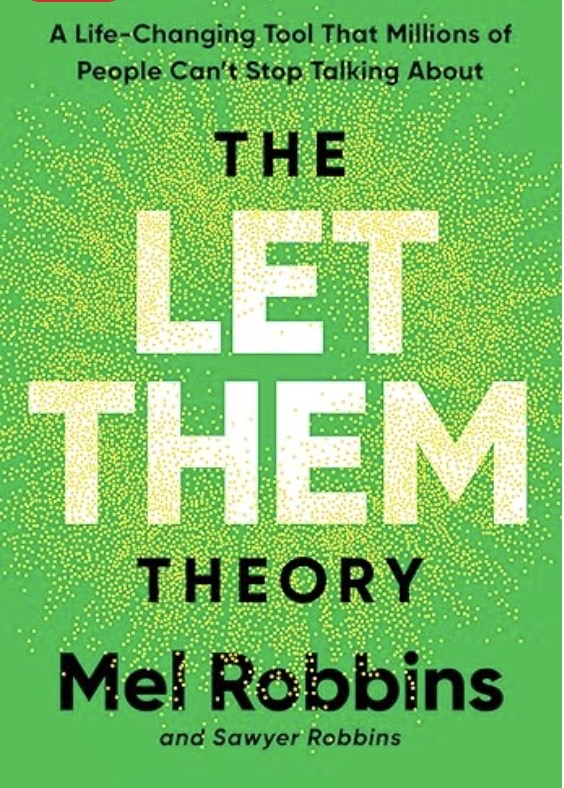
This isn’t a book about special education. But it might as well be. Because Robbins’ message is exactly what so many IEP parents need to hear: you don’t have to control everything. You don’t have to fix everything. You don’t have to fight every single battle. Let them.
What The Let Them Theory Is All About
Mel Robbins, known for her raw and relatable motivational style, introduces the Let Them Theory as a radical shift in mindset: instead of trying to control what others say, think, or do—let them. It’s about releasing the pressure of managing everything and everyone, and returning to your own peace and clarity.
The idea is not about giving up. It’s about giving space.
If they don’t like how you advocate, let them.
If your child has a meltdown in public, let the stares happen.
If people don’t understand your parenting, let them misunderstand.
You don’t have to explain your choices, justify your boundaries, or manage people’s discomfort. That’s freedom.
Applying the “Let Them” Mindset to Special Education
This mindset is incredibly powerful for IEP parents. Here’s where it hit home for me:
Let your child stim.
Let them flap. Let them spin. Let them need breaks. These aren’t behaviors to “fix”—they’re part of how your child regulates. Trying to suppress them to “fit in” creates shame. Mel’s message reminds us: it’s not your job to make your child easier for others to accept.
Let the school disagree.
If they push back on goals or services, let them—for now. Let them show their hand. It’s not about avoiding advocacy—it’s about avoiding burnout. The clarity you gain by not reacting emotionally in the moment is what strengthens your response later.
Let yourself be imperfect.
You forgot to print the IEP draft. You cried in a meeting. You showed up late because you were up all night with your child. Let it be. You’re human. Let Them is permission to stop pretending you have it all together.
Key Lessons from the Book That Hit Home for IEP Parents
1. Stop Overfunctioning
Robbins talks about how many of us over-function—taking on others’ responsibilities and emotional loads. Sound familiar? As parents, we chase every email, draft, log, and service note. Let Them invites us to step back. Sometimes the school needs to feel the weight of their own delays and missteps—not you rushing to fix it.
2. Focus on Your Lane
One of the most liberating ideas from the book is this: You are only responsible for yourself and your child’s well-being. Not for managing everyone else’s perceptions, reactions, or timeline. The IEP team may not always “get” your child. Let them not get it. You keep advocating with truth and clarity.
3. Your Peace Is Power
Robbins writes, “Peace isn’t found in control—it’s found in release.” As IEP parents, we often feel like we can’t rest until everything is right. But there’s strength in saying, “I don’t need to win every point. I need to show up rested for the next one.”
How “Letting Them” Makes You a Better, Happier Parent
This book was a mirror. It reminded me that I’ve spent years fighting so hard, I forgot to just be with my child. Mel’s theory gives you permission to:
- Say no without guilt
- Focus on connection instead of correction
- Choose your battles with intention
- Let go of how others react—and protect your own energy
When I embraced this, I started enjoying my child more—not just documenting their progress or defending their needs. I laughed more. I felt lighter. And I realized: being a better advocate doesn’t mean doing more—it means carrying less of what’s not yours.
When to Let Go… and When to Push Back
Letting them doesn’t mean letting go of advocacy. It means letting go of the need to control what isn’t yours—so you can focus on what is.
Let go when:
- You’ve already stated your request clearly and the school hasn’t responded
- You’re spiraling in worry over other people’s opinions
- Your child is doing something quirky but harmless
Speak up when:
- Services aren’t being delivered
- You’re being gaslit or ignored
- Your child’s access to FAPE is compromised
Knowing the difference is the gift of this mindset.
Final Thoughts
The Let Them Theory by Mel Robbins isn’t about giving up—it’s about gaining clarity. It’s a mindset that says: you don’t need to micromanage, defend, or explain everything. You need to protect your energy, love your child well, and show up with peace and purpose.
So when the emails pile up, or the meeting gets heated, or your child is melting down in a way the world doesn’t understand…
Take a breath.
Step back.
Let them.
And trust that you’re exactly the parent your child needs.
NFLI.ORG